Thinking about leaving NYC for more space, a yard, and a different daily rhythm? If Scarsdale is on your shortlist, it helps to know that this move is not just about a new address. It is a real lifestyle shift that affects your commute, your housing options, your budget, and your day-to-day routine. This guide will walk you through what suburban living in Scarsdale actually looks like so you can plan your move with confidence. Let’s dive in.
Why Scarsdale Feels Different
If you are moving from NYC, one of the first things you will notice is how different the housing pattern is. According to Westchester County Planning housing data, Scarsdale has 5,782 total housing units, and about 94% are detached one-family homes.
That matters because suburban living here usually means more private indoor and outdoor space. It also means fewer building-style conveniences, less high-density living, and a very different relationship to storage, upkeep, and privacy than you may be used to in the city.
More Space, Fewer Shared Services
In NYC, apartment living often comes with shared systems and on-site support. In Scarsdale, your home is more likely to stand on its own, which can give you more autonomy and breathing room.
At the same time, you may no longer have the kinds of services that come with a larger residential building. Things like package rooms, supers, porters, and building maintenance staff are often replaced by your own systems, schedules, and service providers.
Apartment Options Are More Limited
If you are hoping to rent or buy an apartment in Scarsdale, options do exist, but they are not the dominant housing type. The same county planning report shows that multi-unit housing makes up only a small share of the local housing stock.
A 2024 Scarsdale Forum report, summarized in the research above, also notes that apartment and co-op options are concentrated in a few areas rather than spread evenly throughout the Village. For many NYC movers, that means adjusting expectations early if you are comparing Scarsdale to neighborhoods with a broad apartment market.
What the Commute Looks Like
For many buyers leaving the city, commute questions come first. Scarsdale is served by Metro-North’s Harlem Line, and the Scarsdale station page from the MTA confirms that the station is fully accessible, with elevators, ramps, tactile warning strips, audiovisual passenger information systems, and ticket machines.
The MTA also notes that Scarsdale is in Zone 4. Current fares listed on the station page are $260 for a monthly pass, $92.50 for a weekly pass, $13.25 for a peak one-way ticket, and $9.75 for an off-peak one-way ticket.
Peak vs. Off-Peak Matters
If you commute on a regular weekday schedule, fare timing matters. The MTA says peak fares apply on weekday trains scheduled to arrive at Grand Central between 6 a.m. and 10 a.m. or depart Grand Central between 4 p.m. and 8 p.m.
That may sound like a small detail, but it can shape both your monthly transit budget and your routine. If you have a flexible work schedule, understanding peak and off-peak windows can help you plan more efficiently.
Train-Oriented, Not City-Style Car-Free
Scarsdale supports rail commuting well, but suburban life is still different from a walk-everywhere NYC routine. Based on the local transit setup and housing pattern in the research, many movers find that keeping a car is practical for errands, appointments, and weekend plans.
That does not mean every trip requires driving. It does mean your daily movement is likely to feel more planned out than it did in the city.
Outdoor Living Becomes More Intentional
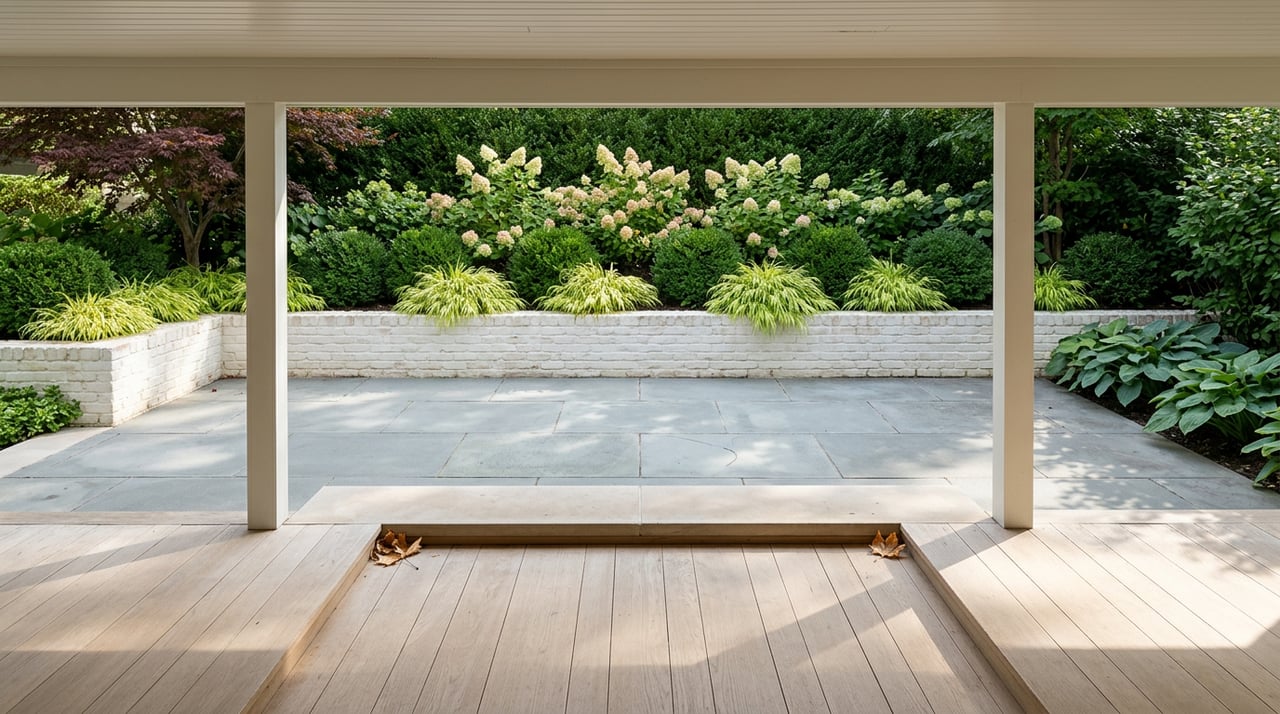
One of the most appealing parts of suburban life is access to outdoor space. In Scarsdale, that shift goes beyond a private yard. The Village says it maintains 24 community parks, 26 tennis courts, 6 platform tennis courts, 3 pickleball courts, and the Scarsdale Pool Complex with four pools and play areas.
For many former city residents, this changes how free time looks. Instead of relying on spontaneous use of dense neighborhood amenities, your outdoor routine may become more seasonal, activity-based, and home-centered.
Recreation Is Part of the Lifestyle
Scarsdale’s recreation system gives you structured ways to spend time outdoors. Parks, courts, and the pool complex can become part of your weekly routine in a way that feels very different from city life.
That can be a major quality-of-life benefit, especially if you are looking for more room to spread out. It is also helpful to think ahead about how these amenities fit into your schedule, transportation habits, and seasonal plans.
The Biggest Shift: Home Maintenance
The most important mindset change may have nothing to do with the train. It is the move from building-managed living to owner-managed living.
In NYC, landlords are responsible for keeping buildings safe, clean, and well maintained and for providing basic services like heat and hot water. Once you own a home, those responsibilities shift to you.
Budgeting for Ongoing Upkeep
This is where suburban budgeting needs a wider lens. The research report cites Bankrate’s 2025 homeownership study, which says average annual home maintenance costs are $8,808.
Examples in that study include roof repair or maintenance at $1,471, tree trimming or removal at $1,138, lawn mowing at $823, window cleaning at $519, and water-heater repair or maintenance at $505. The study also notes that property taxes, homeowners insurance, and HOA fees can be part of the ongoing cost structure of homeownership.
More Control, More Responsibility
There is a real upside to this change. You have more control over your home, your updates, and your systems.
But that control comes with regular planning. You will likely need to track maintenance, schedule vendors, and build room in your budget for both expected and surprise costs.
How to Prepare for the Move
If you are seriously considering Scarsdale, a little planning can make the transition much smoother. The goal is not just to buy more space. It is to choose a lifestyle that fits how you want to live.
Here are a few smart ways to prepare:
- Test your commute using the MTA Scarsdale station information and TrainTime details referenced there.
- Review your monthly budget with train fares, home maintenance, insurance, taxes, and car-related costs in mind.
- Think about your housing priorities early, especially if you are deciding between a detached home and one of the more limited apartment or co-op options.
- Picture your weekends and after-work routine, including parks, recreation, errands, and time at home.
- Plan for storage and maintenance differently than you would in an apartment, since suburban homes usually come with more space but also more systems to manage.
Scarsdale Can Be a Great Fit if You Know the Tradeoffs
Moving from NYC to Scarsdale can offer more space, more privacy, and a more home-centered lifestyle. It can also bring new responsibilities, from commuting strategy to maintenance planning.
The key is going in with clear expectations. When you understand the housing mix, commute structure, recreation options, and ownership costs, you can make a move that feels exciting and sustainable, not overwhelming.
If you are considering a move and want guidance tailored to your timeline and priorities, Jennifer Baldinger offers thoughtful, high-touch support for buyers making the transition to Scarsdale and the surrounding Westchester market.
FAQs
What is the housing stock like in Scarsdale for NYC movers?
- Scarsdale is overwhelmingly made up of detached one-family homes, with about 94% of the housing stock in that category according to Westchester County Planning.
What are Metro-North fares from Scarsdale to Grand Central?
- The MTA lists Scarsdale as Zone 4, with current fares of $260 monthly, $92.50 weekly, $13.25 peak one-way, and $9.75 off-peak one-way.
Are there apartment options in Scarsdale for people leaving NYC?
- Yes, but they are limited, with apartment and co-op options concentrated in a few areas rather than spread broadly across Scarsdale.
What is the biggest lifestyle shift when moving from NYC to Scarsdale?
- For many people, the biggest change is taking on direct responsibility for home maintenance, repairs, and ongoing property-related budgeting.
What outdoor amenities does Scarsdale offer residents?
- The Village says it maintains 24 community parks, 26 tennis courts, 6 platform tennis courts, 3 pickleball courts, and the Scarsdale Pool Complex with four pools and play areas.
Will you need a car when living in Scarsdale?
- Many movers find a car useful for errands, appointments, and weekend plans because Scarsdale is train-oriented for commuting but suburban in its overall layout and daily routines.