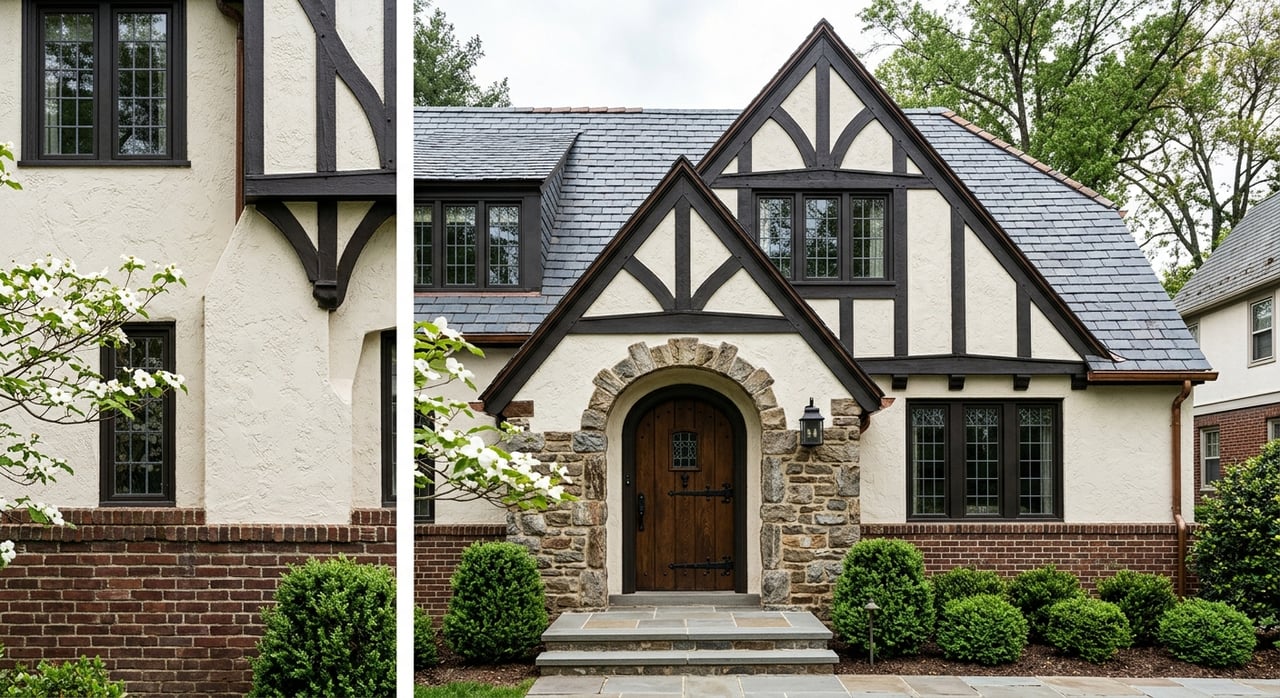
Wondering how much to update before listing a classic Scarsdale Tudor? In a market where buyers move quickly but still notice every detail, the right pre-sale plan can protect your home’s character while helping it show at its best. If you want to avoid over-improving, focus your budget wisely, and present your home with confidence, this guide will walk you through the decisions that matter most. Let’s dive in.
Why preparation matters in Scarsdale
Scarsdale is a high-attention market, which means presentation and pricing discipline both matter. In February 2026, Redfin reported a median sale price of $2.0255 million, 24 median days on market, and 62.5% of homes selling above list. A separate Realtor.com market snapshot cited in the research also pointed to strong conditions, with a median listing price of $1.695 million, 30 median days on market, and a 103% sale-to-list ratio.
That does not mean every home should be heavily renovated before it hits the market. It means buyers are paying attention, and your home needs to feel well cared for, clearly positioned, and easy to understand from the first photo to the first showing.
Why Tudor character matters
A Scarsdale Tudor is not just any house style. The village has a strong architectural identity, and the Scarsdale Historical Society describes downtown as an iconic Tudor-style commercial center. That local context supports what many sellers already sense: original character is part of the appeal.
According to Britannica’s overview of Tudor style, classic Tudor features often include steep gables, asymmetry, mixed exterior materials, half-timbering, tall narrow windows, decorative masonry, and prominent chimneys. If your home still has details like original brick, stonework, leaded windows, arched openings, built-ins, or fireplace surrounds, those features usually deserve to be highlighted, not covered up.
Preserve first, modernize second
For most classic Tudors, the safest pre-listing strategy is selective preservation. Buyers looking at this kind of home are often responding to its warmth, craftsmanship, and visual identity. If updates make the property feel too generic, you risk losing what sets it apart.
That does not mean you should skip improvements. It means your updates should support the architecture instead of competing with it. Fresh paint, repaired trim, updated lighting, and better furniture placement can make a Tudor feel current without erasing what makes it special.
Focus on high-impact pre-sale updates
Before you spend money on a major remodel, start with the projects that improve first impressions. The National Association of Realtors 2025 staging report found that the most common seller recommendations were decluttering, whole-home cleaning, and curb appeal improvements.
That pattern matters because visible, practical work tends to carry more pre-sale value than expensive discretionary projects. NAR’s remodeling field guide also points to strong resale performance for modest projects like entry-door replacement, garage-door replacement, and minor kitchen remodels.
Best updates for a Scarsdale Tudor
For this style of home, the highest-payoff updates are often the simplest:
- Deep cleaning throughout the home
- Decluttering surfaces, shelves, and storage areas
- Refreshing paint where needed without flattening original details
- Repairing trim, hardware, and worn finishes
- Cleaning masonry, siding, and exterior accents
- Updating or brightening light fixtures
- Improving landscaping and entry presentation
- Making the front door and approach feel polished and welcoming
The goal is not to make the home look brand new. The goal is to make it look beautifully maintained.
Avoid over-improving before listing
Large projects can be tempting, especially if you have lived in the home for years and notice every dated finish. But right before listing, full-gut renovations are not always the best use of time or money unless you are solving a true defect or a major functional issue.
Harvard’s Joint Center for Housing Studies notes that a large share of remodeling dollars goes toward replacement projects such as roofing, windows, and HVAC. That is useful context for sellers because essential systems matter, but cosmetic overhauls do not always produce the strongest return just before sale. In many cases, a disciplined plan beats a dramatic one.
Stage for livability, not theme
Staging is especially important in an older character home because buyers are evaluating both style and function. The 2025 NAR staging research found that 83% of buyers’ agents said staging made it easier for buyers to visualize a home as their future residence. The same report found that 29% said staging led to a 1% to 10% increase in offered value.
The most important rooms to stage were the living room, primary bedroom, and kitchen. For a Tudor, that makes sense. These are the rooms where buyers need to feel both charm and comfort.
Smart staging choices for older homes
A Tudor usually shows best when the staging is restrained and intentional. Instead of leaning into a heavy period look, use a lighter hand that helps the home feel bright, functional, and calm.
Consider these staging principles:
- Use fewer accessories so architectural details stay visible
- Keep bookshelves and surfaces visually clean
- Scale furniture carefully in smaller or irregular rooms
- Replace burned-out bulbs and clean all fixtures
- Let fireplaces, windows, beams, and millwork be focal points
- Use a neutral palette instead of theme-driven decor
According to NAR’s home-style trade-off research, buyers are increasingly willing to accept smaller rooms if spaces feel flexible and usable. That makes thoughtful furniture placement especially important in older homes with more defined room layouts.
Make every photo earn its place
Photos are not a finishing touch. They are the first showing. NAR notes that more than 90% of buyers search online, and 85% say photos are the most important factor in deciding which homes to visit.
That is especially true for a Tudor, where texture, shape, and craftsmanship can either stand out beautifully or get lost in poor lighting and awkward angles. A flat, rushed photo set can make a memorable home feel ordinary.
Exterior photo priorities
Adobe’s architecture photography guidance recommends paying close attention to time of day, weather, and vantage point. Harsh midday sun can create strong shadows, while softer light often helps a facade read more clearly.
For a Tudor, exterior photography should usually help buyers see the roofline, chimney, entry, and contrast in materials. Slightly off-center angles often work better than a straight-on shot because they show asymmetry and depth without distorting the structure.
Interior photo priorities
Inside, clean composition matters. NAR and Adobe both emphasize low clutter, thoughtful lighting, and realistic camera height so rooms feel attractive without looking exaggerated.
For a classic Scarsdale Tudor, the most valuable images often include:
- Front exterior
- Front entry
- Roofline or chimney detail
- Leaded or casement windows
- Living room with fireplace
- Dining room
- Primary bedroom
- Stair hall, built-ins, or notable woodwork
These images help buyers understand not just the layout, but the personality of the home.
Know when expert guidance pays off
Some seller decisions are easy to reverse. Others are not. Paint colors, furniture scale, what to edit out, and what to feature in the photo set can shape a buyer’s entire first impression.
That is where professional guidance can add real value. NAR’s staging research reports a median staging service cost of $1,500 when sellers hired staging help. In a premium market like Scarsdale, that can be a worthwhile investment when your home has layered architecture, smaller room dimensions, or original details that need careful presentation.
A strong pre-sale advisor can help you answer the questions that matter most:
- Which original details should stay front and center?
- What should be refinished, repainted, or left alone?
- How should rooms be furnished to feel functional and balanced?
- Which features should lead the marketing narrative?
Build your plan around clarity
Preparing a classic Scarsdale Tudor for market is rarely about turning it into something else. It is about helping buyers see what is already there. When the home is clean, edited, well lit, and thoughtfully photographed, its architecture can do much of the work for you.
In a market where buyers act fast and expect polished presentation, the best strategy is often the most disciplined one: preserve the character, improve the obvious, and market the home with care. If you are thinking about selling and want a tailored plan for your property, Jennifer Baldinger offers thoughtful guidance on pricing, preparation, staging, and launch strategy.
FAQs
What updates matter most when preparing a Scarsdale Tudor for sale?
- The highest-impact updates are usually decluttering, deep cleaning, curb appeal improvements, repaired trim or hardware, refreshed lighting, and selective paint that does not hide original character.
Should you renovate a classic Tudor before listing in Scarsdale?
- Usually, selective improvements are a safer pre-sale strategy than a full renovation unless you need to address a true defect or major functional issue.
Why is staging important for an older Tudor home?
- Staging helps buyers understand how the home lives today, especially in rooms that may be smaller, more defined, or architecturally distinctive.
What photos are most important for marketing a Tudor-style home?
- Key images often include the front exterior, entry, roofline or chimney details, distinctive windows, living room, fireplace, dining room, primary bedroom, and standout woodwork or built-ins.
How does the Scarsdale market affect pre-listing preparation?
- In a strong market with close buyer attention, thoughtful preparation can help your home stand out quickly while supporting a more confident pricing and marketing strategy.