Buying or selling a home in White Plains comes with plenty of moving parts, and the home inspection is one of the steps that can raise the most questions. You may be wondering what an inspector actually looks at, what happens if issues show up, or how much an inspection should influence your next move. This guide breaks down the most common home inspection questions for White Plains buyers and sellers so you can approach the process with more clarity and confidence. Let’s dive in.
What a home inspection means in New York
In New York, a home inspection is a written observation of a residential property’s systems and components, including structural items and major mechanical systems. It is meant to provide an objective snapshot of the home’s condition at the time of the inspection.
That distinction matters. A home inspection is not a warranty, and it is not a promise that every issue will be found. Instead, it gives you a practical report based on what is readily accessible and visually observable.
New York also requires that home inspections performed for compensation be done by a licensed home inspector, except for limited exemptions. For buyers and sellers in White Plains, that makes licensing one of the first things to confirm.
What does a standard home inspection cover?
Under New York’s minimum standards, inspectors observe and report on major areas of a home that are readily accessible. The inspection typically includes:
- Site conditions
- Structural systems
- Exterior components
- Roofing
- Plumbing
- Electrical systems
- Heating systems
- Air conditioning systems
- Interior components
- Insulation and ventilation
- Fireplaces
- Attics
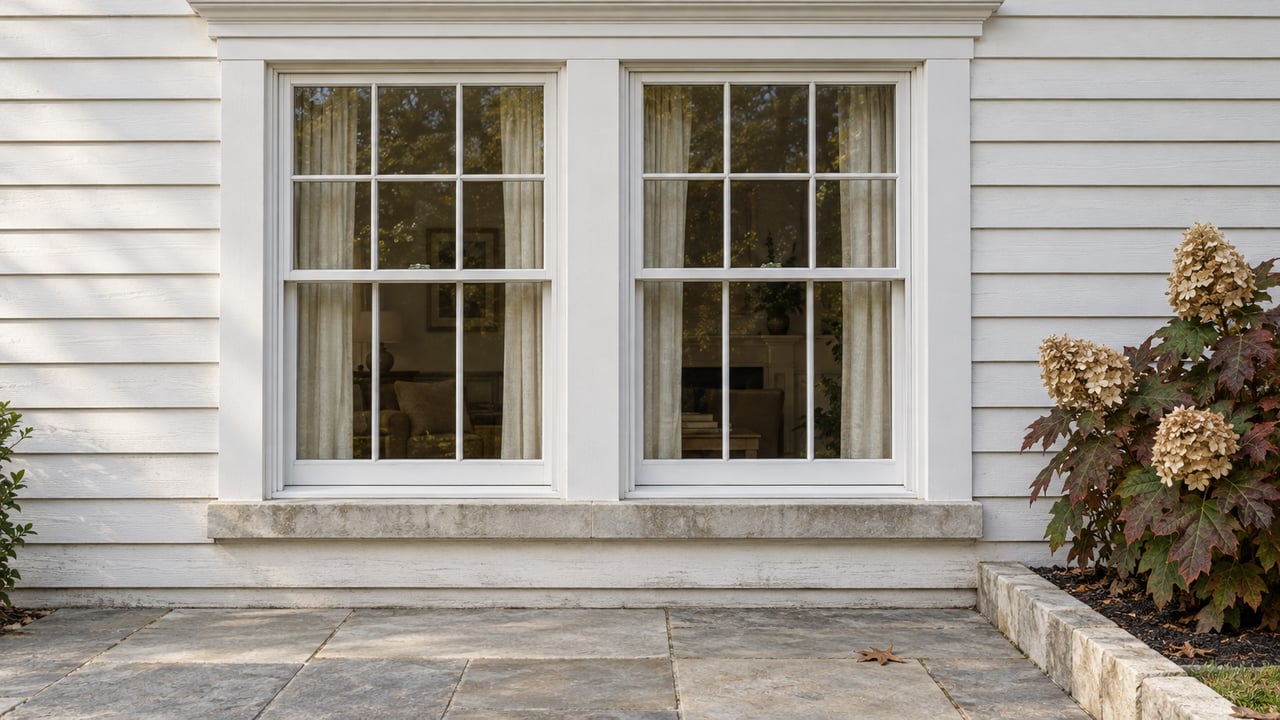
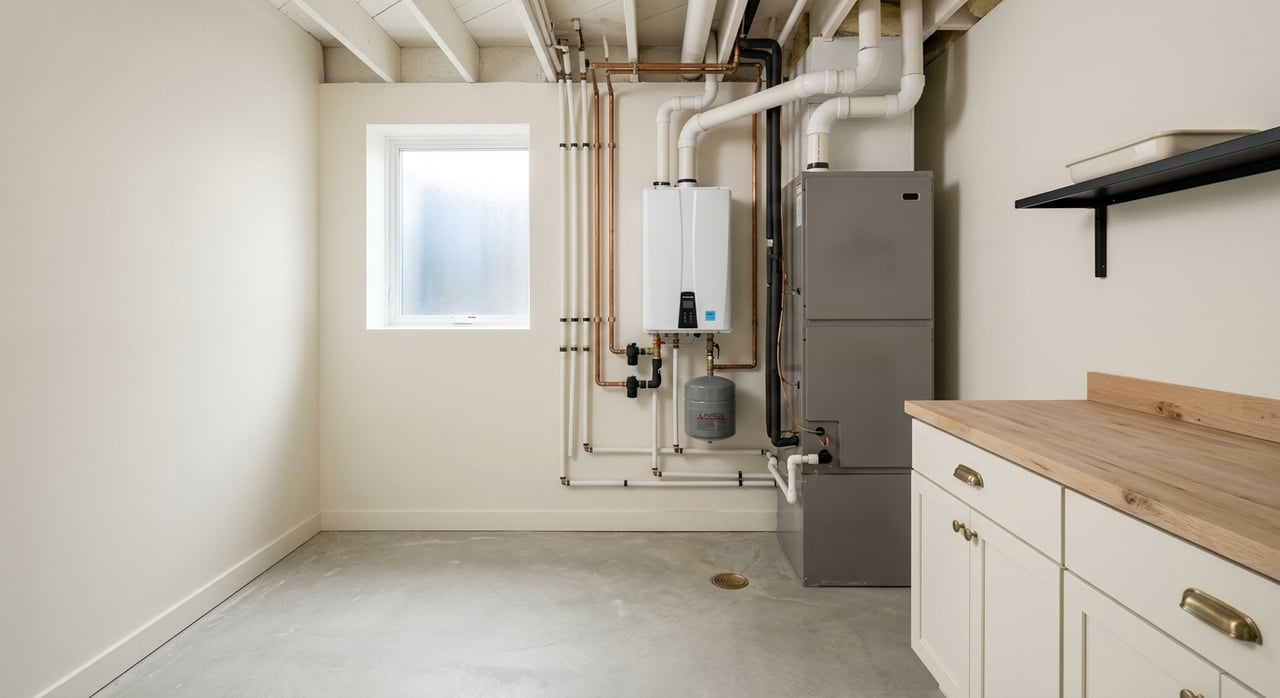
In practice, that can include things like grading near the foundation, framing, floors, walls, ceilings, roof materials, flashing, decks, railings, doors, electrical panels, representative outlets and fixtures, plumbing components, water-heating equipment, and attic ventilation.
The report should clearly identify what was observed. If the inspection is narrower than the state’s minimum standard, the report should also spell out what was included and excluded.
What a home inspection does not cover
This is one of the biggest points of confusion for both buyers and sellers. A standard New York home inspection is not technically exhaustive.
Inspectors are not required to identify concealed conditions, latent defects, property boundaries, code violations, market value, repair costs, or remaining life expectancy of systems. They also do not have to move furniture or debris, dismantle systems, or enter unsafe areas.
Certain items are also outside the required scope, including environmental hazards, mold-like substances, wood-destroying organisms, and condominium common components or reserve accounts. That is why a general inspection sometimes leads to separate follow-up evaluations.
Buyer FAQs for White Plains inspections
Should you verify the inspector’s license?
Yes. New York State provides a public search for active licenses, and checking that status is a smart first step before hiring anyone.
State consumer guidance also recommends keeping the process independent. In simple terms, you want an inspector who is accountable to you and your interests.
Should you attend the inspection?
If you can, yes. Attending gives you a chance to see issues in real time and ask practical questions about maintenance, condition, and which items may need follow-up.
You should also make sure you receive a full copy of the written report. That report becomes an important tool for decision-making and negotiation.
When should you schedule the inspection?
As early as your timeline allows. You want enough time to review the findings, consult your attorney, and decide whether additional inspections are needed.
If your contract includes an inspection contingency, timing becomes even more important. A satisfactory inspection period can affect whether you move forward or cancel without penalty.
What happens if the report finds problems?
That depends on the severity of the issue and your comfort level. In many cases, the next step is negotiation.
You may ask the seller to make repairs, offer a credit, or adjust expectations based on the home’s condition. In other cases, the right move is to bring in a specialist for a closer look before making a final decision.
Does a bad inspection mean you should walk away?
Not necessarily. Very few homes come back with a perfectly clean report, especially older homes.
The better question is whether the findings change the home’s value to you, the cost of ownership, or your willingness to move ahead. The inspection is usually a decision point, not an automatic deal breaker.
When buyers may need extra testing
A standard home inspection has limits, so some concerns call for separate testing. For example, radon is not part of the required standard inspection scope.
New York State Health advises residents to test for radon and install carbon monoxide detectors. EPA guidance also states that all homes should be tested for radon.
Home age can raise other questions too. Homes built before 1978 probably contain lead paint, and homes built before 1986 are more likely to have lead pipes, fixtures, or solder. If a White Plains home is older or has a renovation history that raises concern, it may make sense to ask about additional lead-related evaluation.
Seller FAQs for White Plains inspections
How should you prepare before the inspection?
Your goal is simple: make the home easy to inspect. Since New York standards focus on readily accessible and visually observable items, blocked access can slow the process and create unnecessary uncertainty.
Before the inspector arrives, clear access to:
- Attics
- Basements
- Crawl spaces
- Electrical panels
- Heating equipment
- Water heaters
- Exterior features
Inspectors are not required to move furniture, appliances, plants, snow, ice, or debris. If an area cannot be accessed, it may not be fully evaluated.
Should you gather records before the inspection?
Yes. If you have records for repairs, replacements, or prior work, it helps to have them organized.
In White Plains, this is especially useful for work that may have involved permits or final inspections. The City of White Plains Building Department oversees permitting related to construction, alteration, repair, demolition, use, and occupancy, and city procedures reference proof of final inspection or a certificate of compliance when work is completed.
Do sellers need to fix everything?
Usually, no. An inspection report is not a punch list of mandatory repairs.
Instead, it often becomes a framework for negotiation. Some items may be addressed before closing, some may lead to a credit, and some may simply be accepted by the buyer as part of purchasing the home as-is.
What if the property is a condo?
That is an important special case. New York’s required home inspection standards do not include condominium common components or systems, and they do not include evaluation of reserve accounts.
So if you are buying or selling a condo in White Plains, the unit inspection is only part of the picture. Building-level questions may need to be reviewed separately.
White Plains issues to keep in mind
White Plains has its own Building Department and local code framework, which makes permit and alteration questions especially relevant. If an inspection raises concerns about prior work, unclosed permits, or certificate-of-occupancy issues, those questions usually need to be checked against local records.
This is also where many people expect too much from the inspector. New York standards make clear that home inspectors do not determine compliance with codes or ordinances.
In practical terms, that means an inspection can flag a concern, but it may not be the final word. In White Plains, follow-up may involve the city building office, your attorney, or another licensed specialist, depending on the issue.
How to use the inspection without overreacting
The most helpful way to think about a home inspection is as information, not judgment. Every home has wear, maintenance items, and quirks, and the report helps you sort routine issues from bigger concerns.
For buyers, the report can help you decide what is acceptable, what deserves specialist review, and what should be negotiated. For sellers, it is a reminder that preparation, documentation, and access can make the process smoother and keep the deal moving.
In White Plains, a steady and well-documented approach usually works best. Use a licensed inspector, keep the process independent, review the report carefully with your own attorney, and treat repair requests as part of negotiation rather than a verdict on the property.
Whether you are buying your first home, moving up, or preparing to sell in White Plains, clear guidance can make each step feel more manageable. If you want thoughtful, local support before listing your home or while evaluating a purchase, Jennifer Baldinger can help you navigate the process with confidence.
FAQs
What does a home inspection cover in White Plains, New York?
- A standard New York home inspection generally covers readily accessible and visually observable systems and components, including structure, exterior, roofing, plumbing, electrical, heating, air conditioning, interior areas, insulation, ventilation, fireplaces, and attics.
What does a White Plains home inspection not include?
- A standard inspection does not have to identify concealed defects, code violations, repair costs, market value, environmental hazards, mold-like substances, wood-destroying organisms, or condo common elements.
Do White Plains buyers need a licensed home inspector?
- Yes, in New York, paid residential inspections generally must be performed by a licensed home inspector unless a narrow exemption applies.
Should a buyer attend a home inspection in White Plains?
- Yes, if possible, attending can help you better understand the home’s condition and ask questions before reviewing the written report with your attorney.
How should sellers prepare for a home inspection in White Plains?
- Sellers should clear access to all readily accessible areas and organize records for prior work, repairs, permits, and final inspections when available.
Can a White Plains home inspection uncover permit issues?
- An inspection may raise questions about prior alterations or visible work, but inspectors do not determine code compliance, so permit or certificate questions should be checked with local records and the appropriate professionals.
Do condo inspections in White Plains include common areas?
- No, New York’s required home inspection standards do not include condominium common components, common systems, or reserve accounts as part of the standard scope.