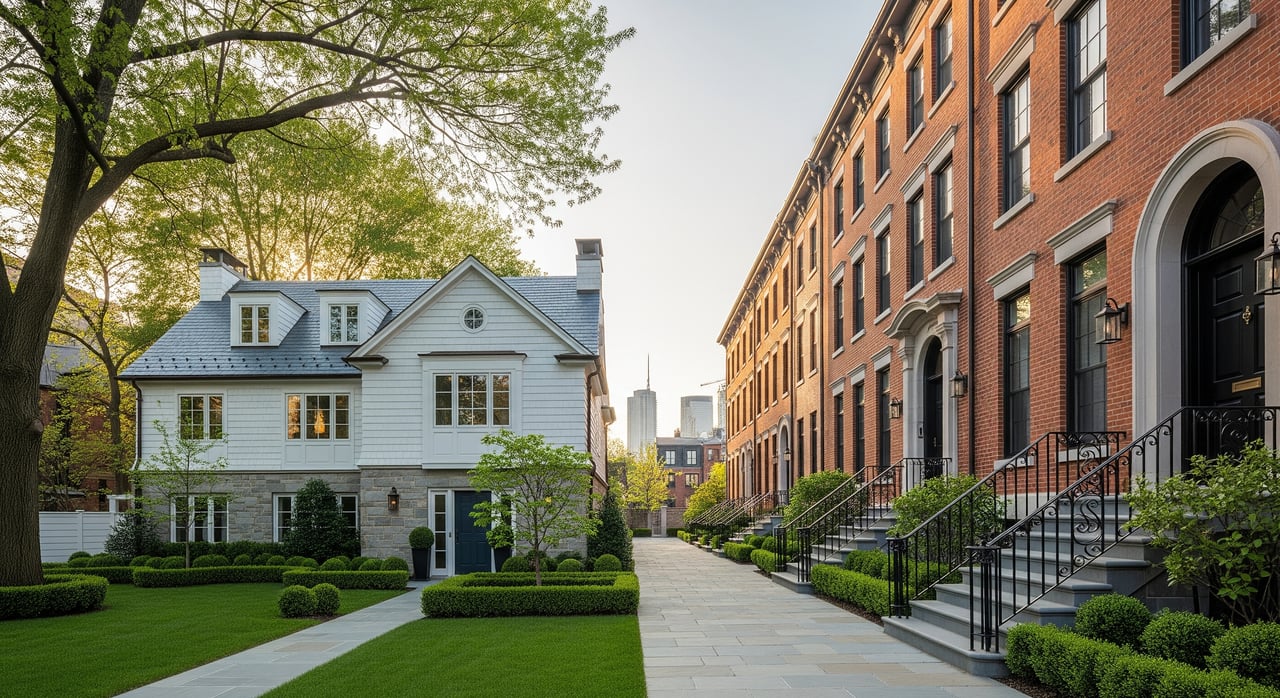
Thinking about buying in White Plains but torn between a single-family home and a townhome? You are not alone. Many buyers here balance space, maintenance, commute time, and overall budget before they commit. In this guide, you will get a clear, side-by-side look at what truly differs, what costs to expect, and how to choose the right fit for your lifestyle and long-term plans. Let’s dive in.
White Plains housing snapshot
White Plains sits at the center of southern Westchester, with strong access to Metro-North’s Harlem Line and key roadways like I-287. That connectivity pulls in commuters who value shorter travel times and walkable amenities. Downtown and nearby areas lean toward condos and townhomes, while many single-family neighborhoods sit a bit farther out. Your tradeoff often comes down to walkability and convenience versus yard space and privacy.
Space and layout tradeoffs
Single-family space
Single-family homes typically offer more interior square footage and larger lot sizes. You will usually see private yards, driveways or garages, and more room for storage. Floor plans vary widely, and many homes allow for additions or finished basements, subject to local zoning and permits.
Townhome space
Townhomes often have a vertical layout across multiple levels with compact footprints. Outdoor space tends to be smaller, such as a patio or limited yard, with common green areas in some communities. In White Plains, townhomes are frequently closer to downtown and transit, which can be a major benefit if you want to minimize your commute.
Maintenance and HOA differences
Single-family upkeep
With a single-family home, you handle all exterior and interior maintenance. That includes landscaping, snow removal, roof and siding care, and driveway or sidewalk upkeep. A common rule of thumb is to set aside 1 to 3 percent of the home’s value each year for maintenance, adjusted for the property’s age and condition.
Townhome and HOA services
Townhome communities typically include exterior maintenance, landscaping, and snow removal through an HOA or master association. Some HOAs also cover parts of the building insurance, water, or trash services, which can simplify monthly budgeting. Rules may limit exterior changes and certain uses, so review covenants closely to make sure they fit your plans.
Ownership costs to compare
Total cost of occupancy
Look beyond list price. Your total cost of occupancy includes mortgage, property taxes, homeowners insurance, HOA dues if applicable, utilities, and routine maintenance. Comparing this full monthly picture is the best way to understand affordability for both property types.
Taxes and insurance
Property taxes are a significant line item in Westchester. Single-family policies typically insure the entire structure. Townhomes can differ based on legal structure and HOA coverage, which may shift more insurance to the association and leave you responsible for interior coverage. Ask your lender and insurance agent to clarify what you need for a specific community.
HOA dues and utilities
HOA dues vary based on services and future capital needs. Review what is included, such as heat or hot water, to understand how dues affect your monthly budget. If utilities are separate, compare typical costs for similarly sized homes to avoid surprises.
Renovation and flexibility
Single-family potential
Single-family homes generally offer more flexibility for additions, exterior updates, and accessory structures, subject to zoning and permits. This can create long-term value if you plan to expand or reconfigure. If you want a workshop, a dedicated home office with privacy, or a larger kitchen, a single-family often gives you more options.
Townhome limits
Townhomes usually limit exterior changes and common-area modifications. Renovations tend to focus on interior updates such as kitchens, baths, and flooring. If you favor a lock-and-leave lifestyle and do not need major expansion potential, the tradeoff can be worth it.
Lifestyle and location
Commute and walkability
If proximity to the White Plains station and downtown shopping is a priority, townhomes often win on convenience. That can reduce car dependency and time spent on the road. If you prefer more space, quieter streets, and larger yards, single-family options a bit farther from the core may fit better.
Privacy and outdoor living
Single-family homes provide more private outdoor space for gardening, pets, or gatherings. Townhomes keep maintenance lower, which is ideal if you travel or work long hours. Your day-to-day routine should guide which benefits matter most.
Resale and financing
Resale dynamics
Single-family homes generally draw a broad buyer pool, including those seeking yards and flexible layouts. Townhomes near transit and amenities can resell quickly to commuters and downsizers who want low maintenance. Location within White Plains, parking, and outdoor space can all influence marketability and timing.
Appraisals and comps
Appraisals depend on comparable sales. Unique single-family lots or boutique townhome communities may have fewer comps, which can affect valuation and negotiations. Features like garages, lot size, school district boundaries, and proximity to major roads or transit often carry weight in pricing.
Financing and HOA review
Standard mortgages are available for both home types, but lenders often review HOA financials, insurance, litigation, owner-occupancy rates, and delinquency levels for condos and townhomes. Government-backed programs may have additional condo approval requirements. Ask your lender to review HOA documents early so you know if the community meets your loan program’s criteria.
Due diligence checklist
Use this list to compare specific homes and communities:
- Confirm the legal structure for a townhome. Is it fee simple or part of a condo association, and what does the master policy cover?
- Request HOA documents. Budget, reserve study, meeting minutes, bylaws, insurance declarations, and any pending special assessments.
- Compare total monthly costs. Mortgage, property tax, insurance, HOA dues, utilities, and a maintenance reserve.
- Review maintenance responsibilities. Who handles roofing, siding, sidewalks, snow removal, and landscaping, and what are the standards?
- Inspect thoroughly. For single-family, include roof, chimney, and site drainage. For townhomes, inspect the unit and review reports on common elements.
- Check zoning and permits. Understand what is allowed if you plan additions or exterior changes.
- Evaluate commute options. Consider distance to the White Plains station, highway access, and typical travel patterns that fit your schedule.
Decision framework
When you are choosing between a single-family home and a townhome in White Plains, focus on three core tradeoffs:
- Location versus space. If you want a short, predictable commute and walkable amenities, a townhome near downtown may win. If you want a larger yard and room to grow, a single-family may be the better path.
- Predictability versus control. HOA dues can simplify budgeting and reduce hands-on maintenance. A single-family gives you more control over improvements and timing of projects.
- Renovation potential versus convenience. If you plan to add on or significantly reconfigure, prioritize single-family options. If you want a clean, lock-and-leave lifestyle, a townhome is often ideal.
A simple rule of thumb: choose the property type that best supports your daily routine for at least the next five to seven years, then verify that the total monthly cost aligns with your budget and savings goals.
Next steps
If you would like help comparing specific White Plains neighborhoods, HOA structures, and total monthly costs, you can get personalized guidance that fits your timeline. With deep Westchester experience and a hands-on approach, you will see the tradeoffs clearly and move forward with confidence. Ready to decide with clarity? Schedule a consultation with Jennifer Baldinger.
FAQs
What costs differ most for White Plains single-family vs townhome?
- Your largest differences are often property taxes, HOA dues, and maintenance. Single-family owners budget for all exterior work, while townhome owners pay HOA dues for shared services that may include exterior care and snow removal.
How do HOA rules impact White Plains townhome renovations?
- HOAs typically restrict exterior changes and common-area alterations, which limits additions or footprint expansion. Most updates happen inside the unit and may still require board approval.
What inspections should I order for a White Plains townhome?
- Order a standard home inspection for the unit, then review HOA disclosures, reserve studies, and any engineering reports on common elements like roofs, facades, and paving to understand upcoming projects.
How should I compare monthly budgets across White Plains options?
- Build a total cost of occupancy for each property. Add mortgage, property tax, insurance, HOA dues if applicable, utilities, and a maintenance reserve to get a fair, apples-to-apples number.
What financing issues can affect a White Plains townhome purchase?
- Lenders often review HOA financials, insurance coverage, litigation, owner-occupancy, and delinquency rates. Some loan programs have specific condo approval requirements that can limit options.
How does commute convenience factor into this choice in White Plains?
- Townhomes near the station and downtown offer easy access to transit and amenities, which can reduce time in the car. Single-family homes farther out trade commute convenience for larger lots and more privacy.