Thinking about buying in Larchmont? One of the biggest choices you may face is whether a classic home with architectural character feels right for you, or whether a newer home with modern systems and efficiency makes more sense. In a village this layered and established, the answer is rarely simple, but understanding the local housing patterns can help you buy with more confidence. Let’s dive in.
Larchmont Offers Two Distinct Home Experiences
Larchmont is a small village, with an estimated 2024 population of 6,640 according to the U.S. Census Bureau. Its housing stock reflects that smaller scale. Rather than a large pipeline of brand-new developments, Larchmont tends to offer a mix of older homes in long-established areas and newer infill or rebuilt homes on existing residential streets.
That is part of what makes the village so appealing. You can find a home with period details and a strong historic setting, or you can find a newer property built with current construction methods. In many cases, the decision comes down to the lifestyle, maintenance profile, and design priorities that matter most to you.
Where Classic Homes Cluster in Larchmont
Larchmont Manor
If you picture classic Larchmont architecture, Larchmont Manor is often what comes to mind. The village’s historic resource survey notes that this was one of Westchester County’s earliest residential subdivisions, planned in 1872 as a summer-resort development before evolving into a permanent suburban neighborhood.
Today, the area is known for its architectural variety and strong sense of place. The survey identifies styles including Gothic summer cottages, Queen Anne, Shingle Style, Colonial Revival, Craftsman Bungalows, Dutch Colonial Revival, English Revival, and postwar custom homes. Manor Park and the original subdivision pattern still shape the feel of the area.
For you as a buyer, that often means more visual character, more architectural detail, and a neighborhood setting that feels established. It can also mean layered renovation histories, older materials, and a stronger preservation-minded context than you would typically find in a purely new-home market.
Pine Brook
Pine Brook is another important area for classic homes in Larchmont. According to the village survey, nearly all of the homes there were built before 1934, and fifty houses were built between 1912 and 1919.
This area is especially associated with Craftsman homes and early-20th-century suburban development. If you are drawn to original millwork, bungalow-era design, and homes that reflect a specific architectural period, Pine Brook is one of the places worth watching closely.
California Bungalow Community
The California Bungalow Community adds another layer to Larchmont’s older housing story. The village survey describes it as historically significant for early-20th-century suburban development and notes that its custom-built Craftsman bungalows were based on designs from a California publication.
That kind of planning history can give a neighborhood a very distinct architectural identity. For buyers, it is a reminder that some parts of Larchmont offer not just older homes, but homes tied to a recognizable design tradition.
What Classic Homes Often Give You
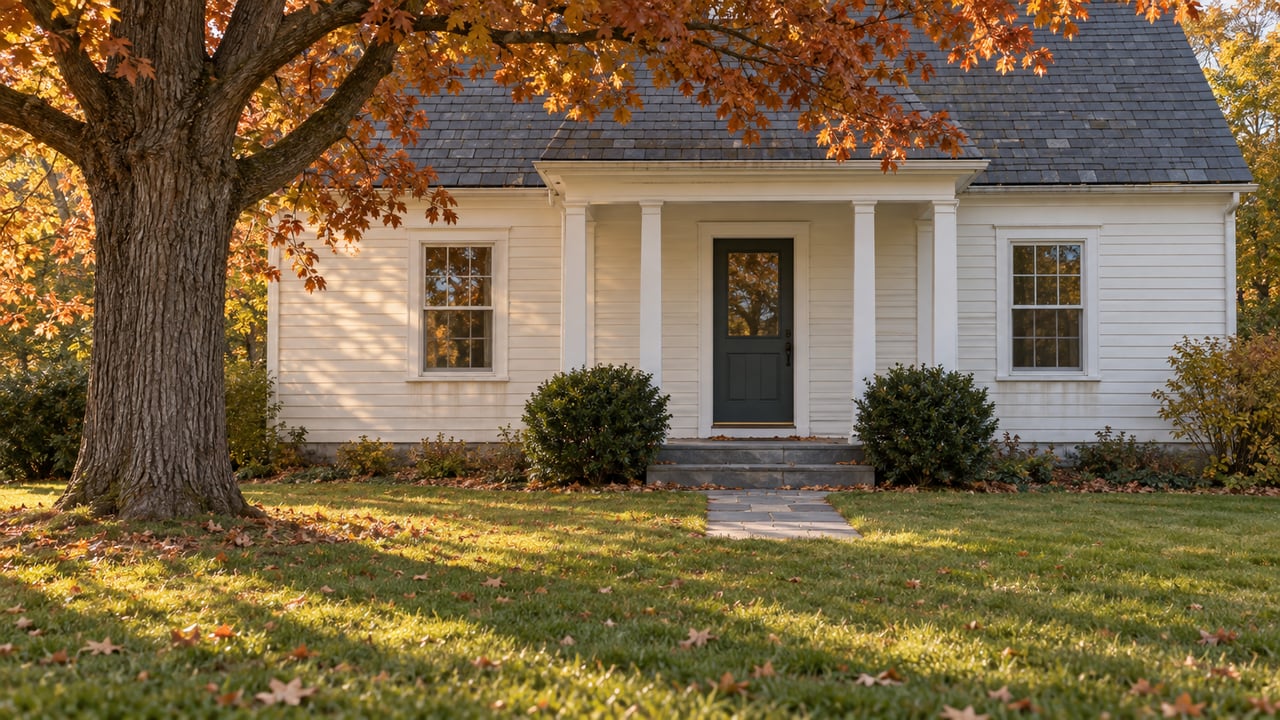
Classic homes in Larchmont can offer features that are hard to replicate in newer builds. Depending on the property, that may include original architectural details, more individualized design, and a setting that feels deeply connected to the village’s development over time.
Many buyers are drawn to the sense of character these homes bring. A classic home can feel less like a product and more like a property with a story. In neighborhoods such as Larchmont Manor and Pine Brook, that story is often part of the appeal.
That said, character and convenience do not always arrive in equal measure. Older homes may have had multiple additions, system updates, and cosmetic renovations over the years, so the quality and consistency of prior work matter.
What to Watch for in a Classic Home
If you are considering an older home, the inspection process should go well beyond surface finishes. A beautiful facade or updated kitchen is only part of the picture.
Here are a few questions worth asking:
- Was the home built before 1978, and were lead disclosures provided?
- If renovations are planned, will contractors use lead-safe work practices?
- How much insulation is actually present in the attic, walls, basement, and ducts?
- Is the property in or near a historic district or potentially significant area?
- For homes near the Sound or in lower-lying areas, what is the FEMA flood zone and drainage history?
The village’s survey is reconnaissance-level, which means it is a useful starting point but not the final word on designation status. If historic status may affect your plans, it is important to confirm details with the Village of Larchmont and the New York State Historic Preservation Office before assuming any review requirements or tax-credit implications.
What New Construction Means in Larchmont
Mostly Infill and Rebuilds
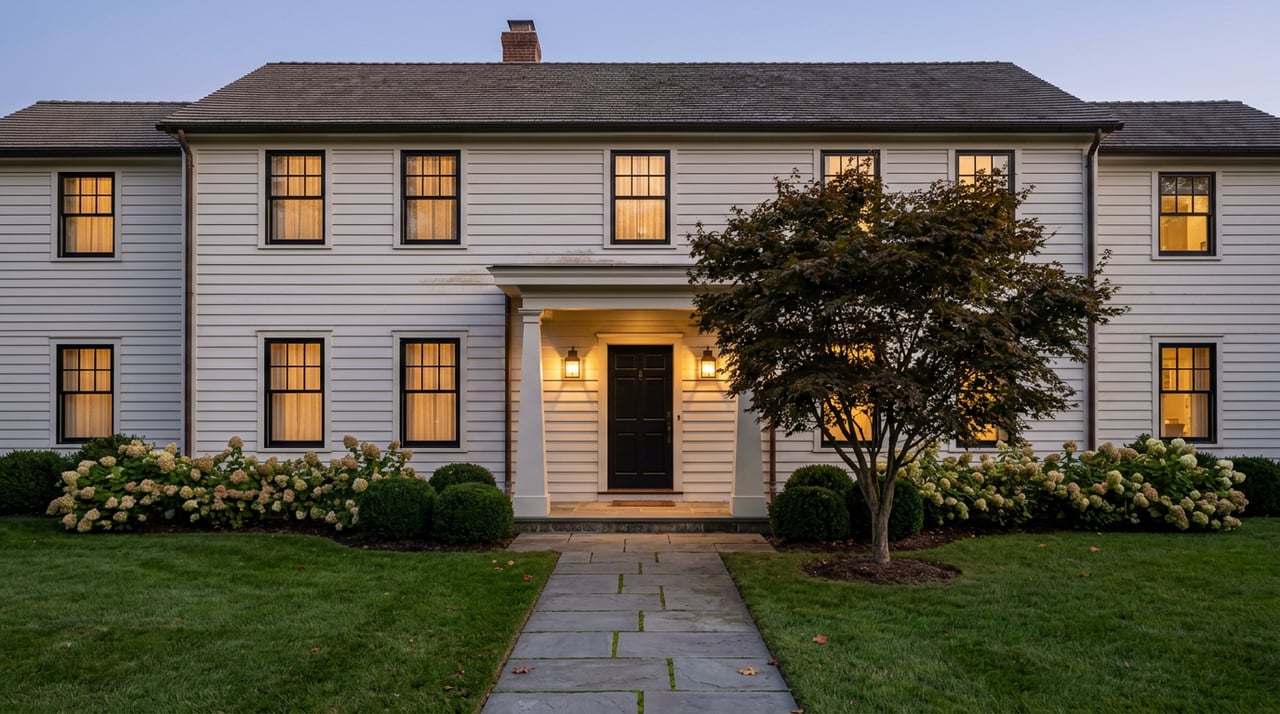
New construction in Larchmont does not usually mean a separate subdivision of newly built homes. Based on recent listing examples cited in the research, newer homes tend to appear as scattered infill properties or rebuilds on established streets, including locations such as Hillcrest Avenue, E Garden Road, Walnut Avenue, and Burton Road.
That pattern is important because it shapes the experience of buying new here. In Larchmont, a new home is often part of an existing neighborhood fabric rather than a standalone new-home community.
Modern Building Practices
For many buyers, the appeal of new construction is straightforward. New homes can be designed around current New York State Energy Code requirements and modern building standards.
The New York State Department of State notes that the state Energy Code applies statewide and that new residential buildings must include whole-house mechanical ventilation. NYSERDA also notes that new homes can be built for efficiency from the start, often using air sealing, insulation, heat pumps, LED lighting, and in some cases all-electric systems and solar.
In practical terms, that can translate to fewer immediate upgrades, more predictable system performance, and a more current efficiency profile. If you want a more turnkey ownership experience, that can be a major advantage.
What to Watch for in New Construction
A new home may be newer, but it is not automatically worry-free. Site conditions, finish quality, and permit closeout still matter.
Before you close on a newly built or recently rebuilt home, ask about:
- The building permit history
- Final certificate of occupancy or certificate of completion
- Any Board of Architectural Review approvals tied to exterior work
- Insulation and ventilation specifications
- HVAC commissioning or efficiency documentation
- Grading, drainage, downspout planning, and punch-list follow-up
The Village of Larchmont fee schedule shows separate processes for building permits, demolition permits, and Board of Architectural Review applications. That is a good reminder to verify that the paper trail matches the work you see on site.
Classic Homes vs. New Construction
If you are choosing between the two, the right answer often depends on your priorities more than the age of the house itself.
| Priority | Classic Home | New Construction |
|---|---|---|
| Architectural character | Often a major strength | Usually more contemporary |
| Historic setting | More likely in established areas | Usually on existing streets as infill or rebuild |
| Near-term system updates | May be more likely | Often fewer needed upfront |
| Energy efficiency | Varies by renovation history | Often designed to meet current code |
| Inspection focus | Systems, materials, renovation history | Drainage, finishes, permits, closeout |
This is why the decision in Larchmont is rarely just "old versus new." It is more about whether you want a home defined by architectural personality and historic context, or one shaped by newer systems, efficiency, and a more modern living profile.
How to Decide What Fits You Best
If you love the texture and story of older homes, Larchmont gives you meaningful options in areas like Larchmont Manor, Pine Brook, and the California Bungalow Community. These properties can be deeply rewarding, especially if you appreciate design details and are comfortable approaching inspections and maintenance with care.
If your priority is lower near-term system risk, cleaner mechanical planning, and current code-based construction, newer homes may be the better fit. In Larchmont, that often means watching for selective rebuilds and infill opportunities rather than waiting for a large new development.
For many buyers, the best outcome comes from looking past labels and focusing on execution. A beautifully maintained older home may suit you better than a rushed new build, and a thoughtfully built new home may be a better long-term fit than a character property that needs extensive work.
Why Local Guidance Matters in Larchmont
Because Larchmont blends historic layers with newer infill, context matters here. Two homes with similar square footage can offer very different ownership experiences depending on their age, location, renovation history, and approval status.
That is where local, detail-oriented guidance becomes especially valuable. When you understand where classic homes tend to cluster, how newer homes typically enter the market, and which questions to ask before you commit, you are in a much stronger position to make a smart decision.
Whether you are drawn to a Craftsman bungalow, a Manor home with period charm, or a newly built house on an established street, the goal is the same: find the property that fits your life and enter the process with clarity. If you are considering a move in Larchmont, Jennifer Baldinger can help you evaluate the tradeoffs, understand the local market, and move forward with confidence.
FAQs
What areas in Larchmont have the most classic homes?
- The village survey points to Larchmont Manor, Pine Brook, and the California Bungalow Community as key areas for older, character-rich homes.
What does new construction in Larchmont usually look like?
- In Larchmont, new construction usually appears as scattered infill homes or rebuilds on established streets rather than large new-home developments.
What should you ask when buying a classic home in Larchmont?
- Ask about lead disclosures for pre-1978 homes, insulation levels, renovation history, possible historic status, and flood-zone or drainage conditions where relevant.
What should you verify when buying new construction in Larchmont?
- Confirm permits, final sign-offs, any Board of Architectural Review approvals, energy-code and ventilation details, and the builder’s drainage and punch-list plan.
Are all older homes in Larchmont historically designated?
- No. The village survey identifies potentially significant areas and properties, but buyers should confirm actual designation status with the Village of Larchmont and NYSHPO.
Is a newer home always the better low-maintenance choice in Larchmont?
- Not always. Newer homes may reduce near-term system upgrades, but buyers should still inspect finish quality, grading, drainage, and permit closeout carefully.